How to Choose the Right Houseplant for Your Space
Choosing a houseplant is about more than finding one you love—it's about finding one that will thrive in your space.
Every home and office offers a unique environment. Light levels, humidity, temperature, and airflow all influence how a plant will grow over time. Understanding these conditions before bringing a new plant home is one of the best ways to set both you and your plant up for long-term success.
At Root By Design, we believe healthy plants begin with thoughtful placement and intentional selection. While it's easy to fall in love with dramatic foliage or sculptural forms, choosing a plant that fits your environment will always lead to a healthier, more resilient collection.
Before selecting your next houseplant, take a moment to evaluate your space. In the tips below, we'll cover a few key considerations from lighting conditions and humidity to seasonal changes and signs of healthy plants - so you can choose with confidence and enjoy thriving greenery for years to come.
1. Notice what type of light your plant is getting: Direct or indirect sunlight?
Direct light is when your plant is in the direct path of sunlight with no interference, while indirect light is when something is blocking your plant from full light, like a curtain, a tree outside, or distance from a sunny window.
How long does the space stay lit during the day?
Be mindful of how many hours a day your plant is in different types of light.
How does the light change throughout the season?
Watch out! The sun's path may change throughout the season. A room that once received 6 hours of bright light in the summer may only receive a handful of hours in the winter.
Research your plants’ specific light requirements so you are providing the best environment for your plant to thrive in.
2. How much are you willing to water and check on your plant?
You simply cannot treat every plant the same, as they each have specific water needs. Some of the most common problems with killing plants is due to over and under-watering them.
Putting your plants on a weekly watering schedule or using an app to tell you when to water your plants could actually be your plants’ demise. The best technique for knowing when to water a plant is to physically touch the soil to determine its moisture levels. Some plants will want to be watered once a month, and others a few times a week.
It’s important to determine how much time you're willing to take to nurture your plants. For example, if you travel often or have a demanding schedule, consider getting a low-maintenance plant so you can feel good about balancing both your life and the health of your plants!

3. Knowing the level of humidity in your home is important to your plants’ overall health.
To begin, order a humidity gauge!
Plants will want different levels of humidity just as they require different levels of light and water. It’s important to avoid buying plants that require a high level of humidity in a house with no humidifier or in an environment that is very dry.
4. Be mindful of the size of the space you want to place your plant
Just like us, our plants grow in size during their lifetime, so whichever space you select for the plant, remember that it has the potential of outgrowing the space one day. For example, a small bird of paradise might fit perfectly in a corner window but could become too big for the space a few years down the road.
5. What’s your lifestyle like? Pet and Baby-friendly plants
It’s important to remember that many of our houseplants are on the ground and can therefore be in reach of both your pets and children. Be sure to select the safest houseplants for your home.
6. Seasonal factors to consider that may impact the health of your plant
What was once a good spot for your plant in the summer may not necessarily be a good place for your plant in the winter, or based on whether you're keeping windows and vents open or closed.
7. Checking for pests before you purchase
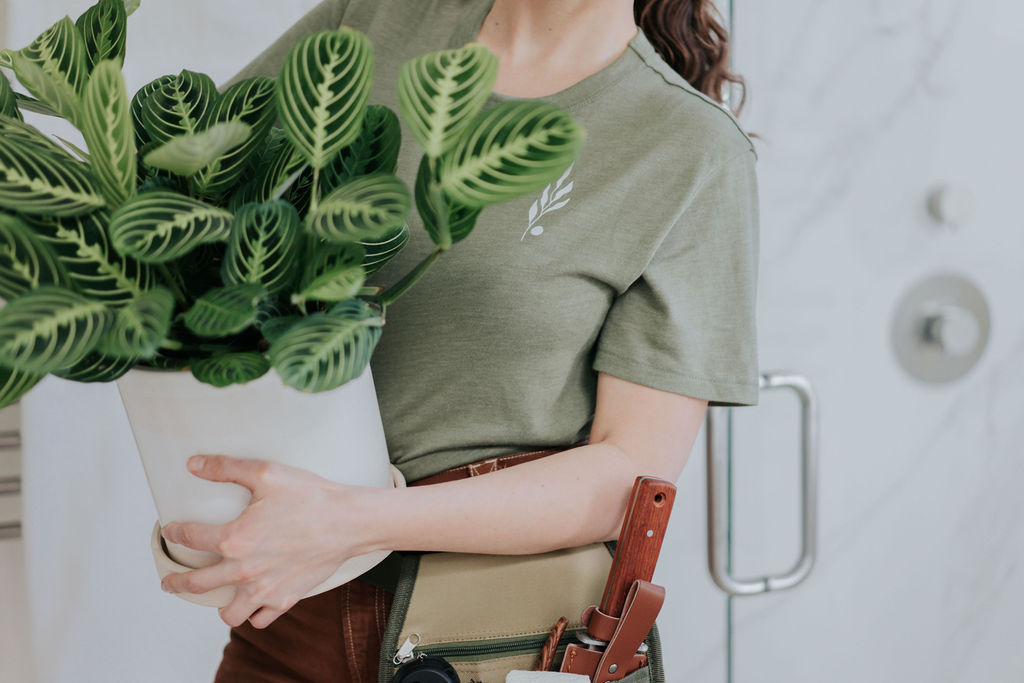
Make sure you are sourcing plants from trusted nurseries and suppliers; for example, pests can hide out in soils and be hard to find after you’ve purchased them and they are in your home. It’s important to do pest checks on your plants before bringing them into your space.
8. Why Work with a Plant Design Expert?
While it's easy to purchase a plant from your local nursery, creating a space where plants truly thrive requires thoughtful planning. The most successful indoor plant collections aren't built around individual plants but designed around the environment they'll live in.
At Root By Design, we consider everything from natural light and humidity to how each room is used. We carefully select plants that are well-suited to your space and pair them with planters that complement your home's architecture and design aesthetic. The result is an indoor landscape that feels intentional, cohesive, and built to thrive.
Beyond the initial design, our team provides professional installation, personalized care guidance, and ongoing support to help your plants flourish for years to come. We know how plants grow, how spaces change with the seasons, and how to anticipate challenges before they become problems.
Investing in expert plant design means investing in the long-term health of your plants and the experience of your home. Instead of guessing which plants might work, you can feel confident knowing your space has been thoughtfully designed to create a lasting connection to nature.